
Transfer Film — Full-Coverage Metallized & Holographic Effects for Packaging
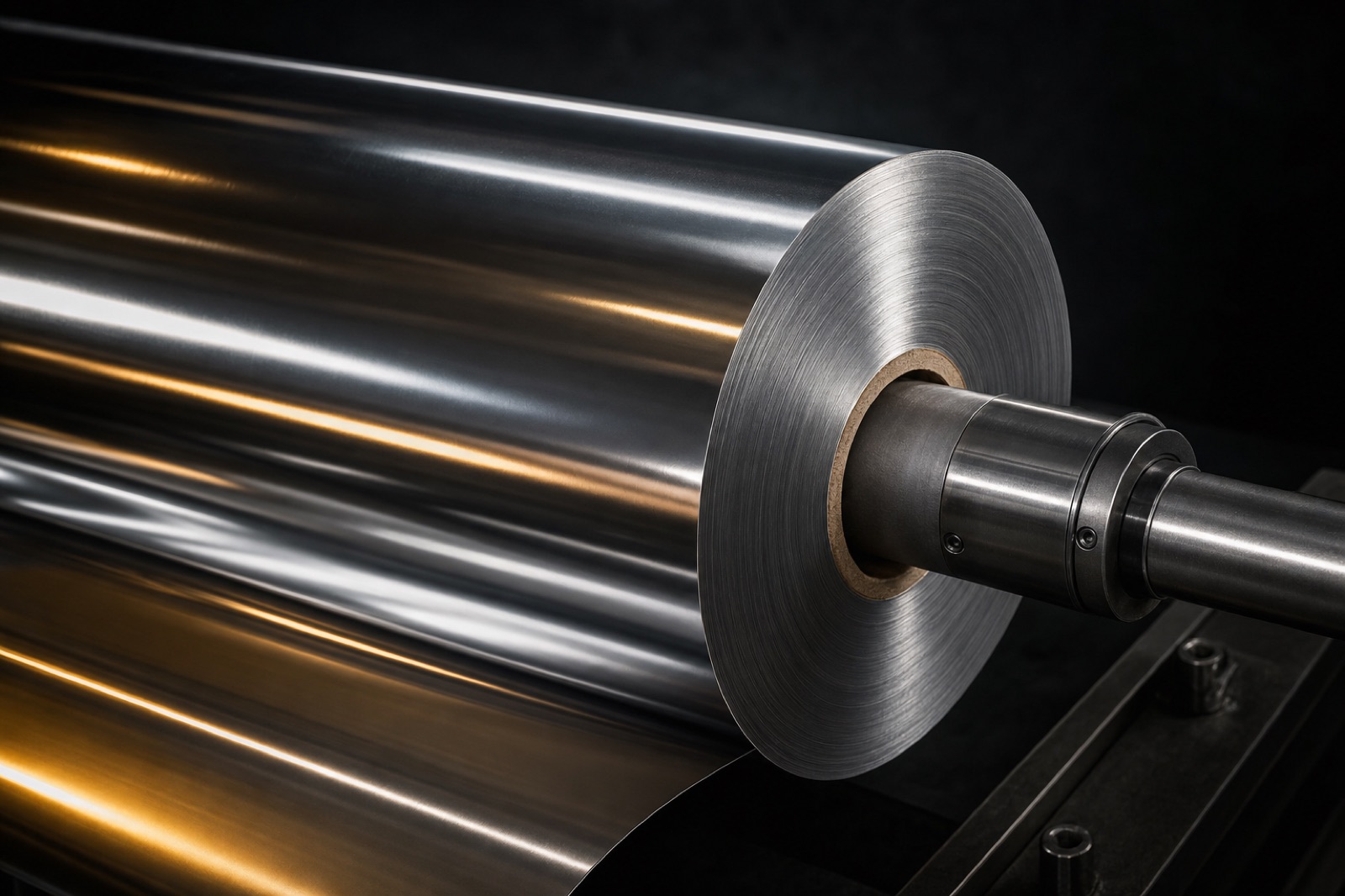
Transfer film applies a decorative metallic or holographic layer across the entire surface of a printed sheet or paperboard carton, rather than a selective pattern. A PET carrier film, pre-coated with the effect layer, is laminated onto the substrate under heat and pressure; once the effect layer has bonded, the carrier is peeled away, leaving a full-coverage mirror, holographic or transparent-holographic finish behind. Lihyang Foil Technology has manufactured proprietary metallic and holographic film formulations since 1980, exporting to 60+ countries, giving packaging converters a reliable full-coverage alternative to selective foiling techniques.
What is transfer film?
Transfer film belongs to the same carrier-and-release family of materials as hot stamping foil and cold foil, but it is built for edge-to-edge coverage rather than a selective printed or die-cut pattern. The pre-coated effect layer — metallized, holographic, or both — is laminated onto the full sheet or carton blank, and once the bond has set, the PET carrier film is stripped away, leaving only the thin decorative layer fused to the substrate. Because the whole surface is coated in a single pass, transfer film is well suited to designs that call for a solid mirror or holographic background rather than isolated logos or patterns.
See how this compares to selective techniques in the table below, or explore our cold foil and hot stamping foil hub pages.
Effect variants
Lihyang's transfer film range covers three core effects, each suited to a different visual and functional goal:
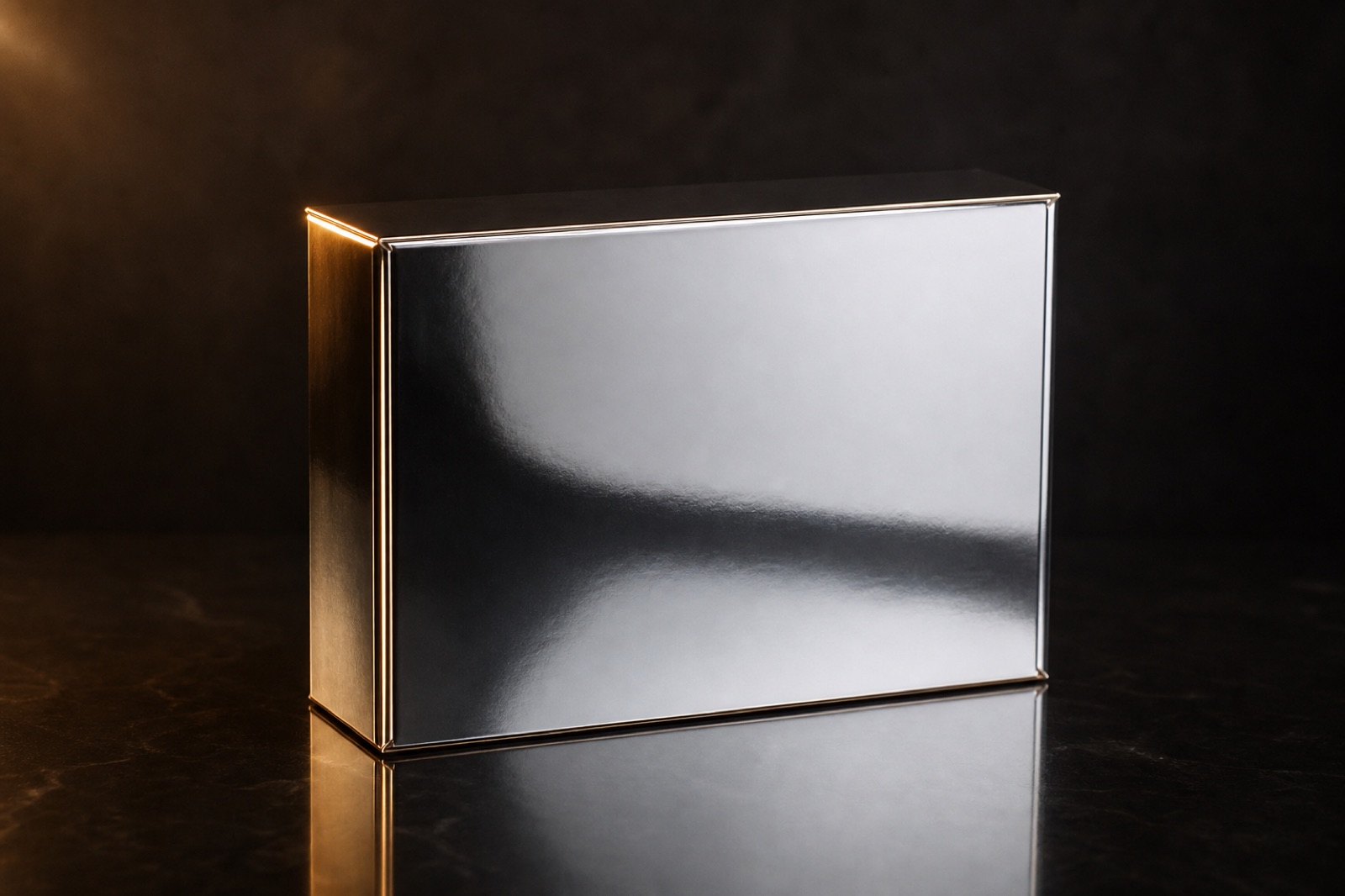
Mirror / Metallized Silver
A vacuum-metallized aluminum layer delivers a solid, true mirror-silver finish across the entire surface. This is the most straightforward full-coverage effect, giving cartons and boxes a bright, uniform metallic look without any selective patterning — commonly chosen when the brief calls for an all-over premium metallic background rather than accent details.
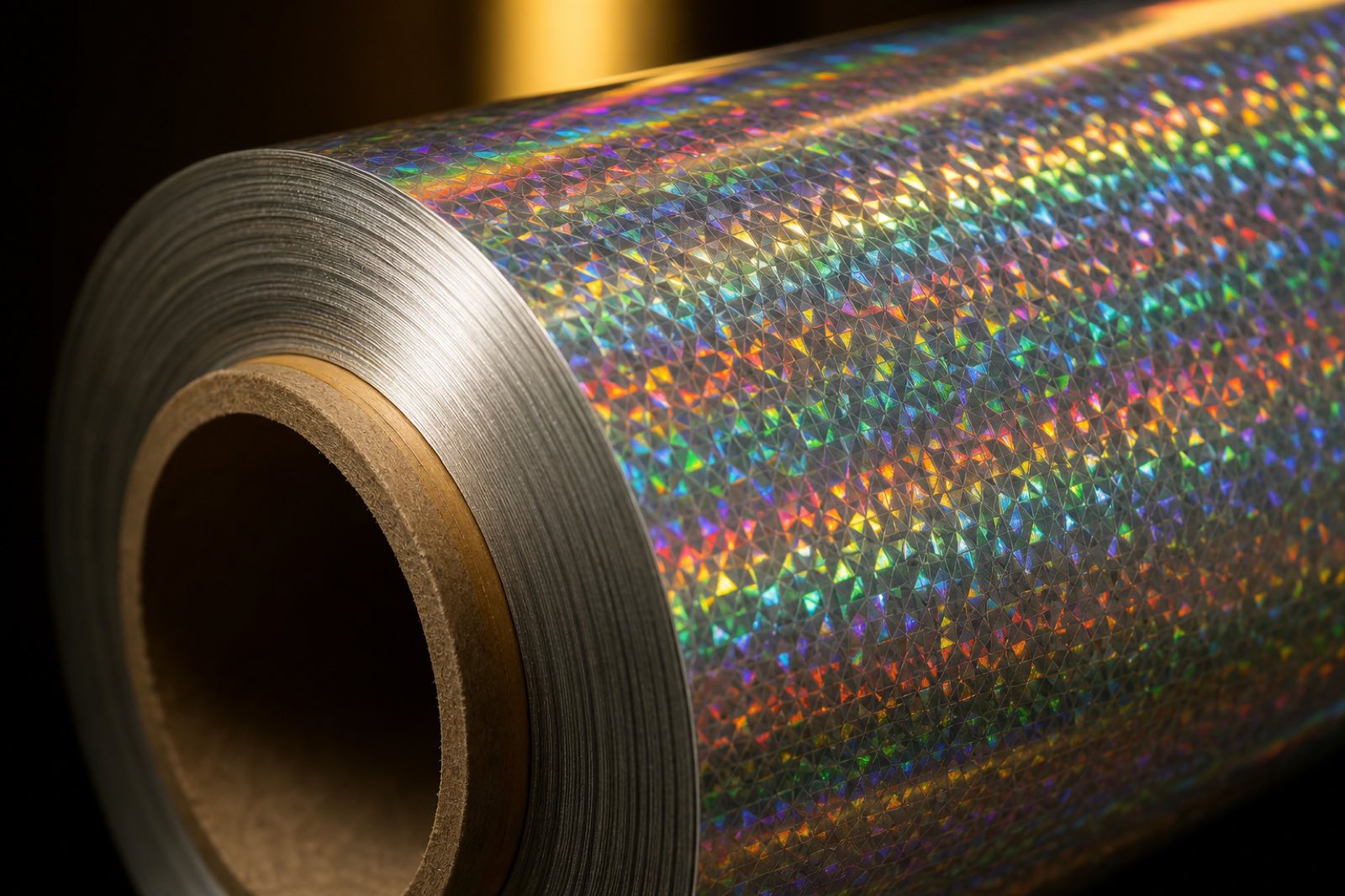
Holographic Silver
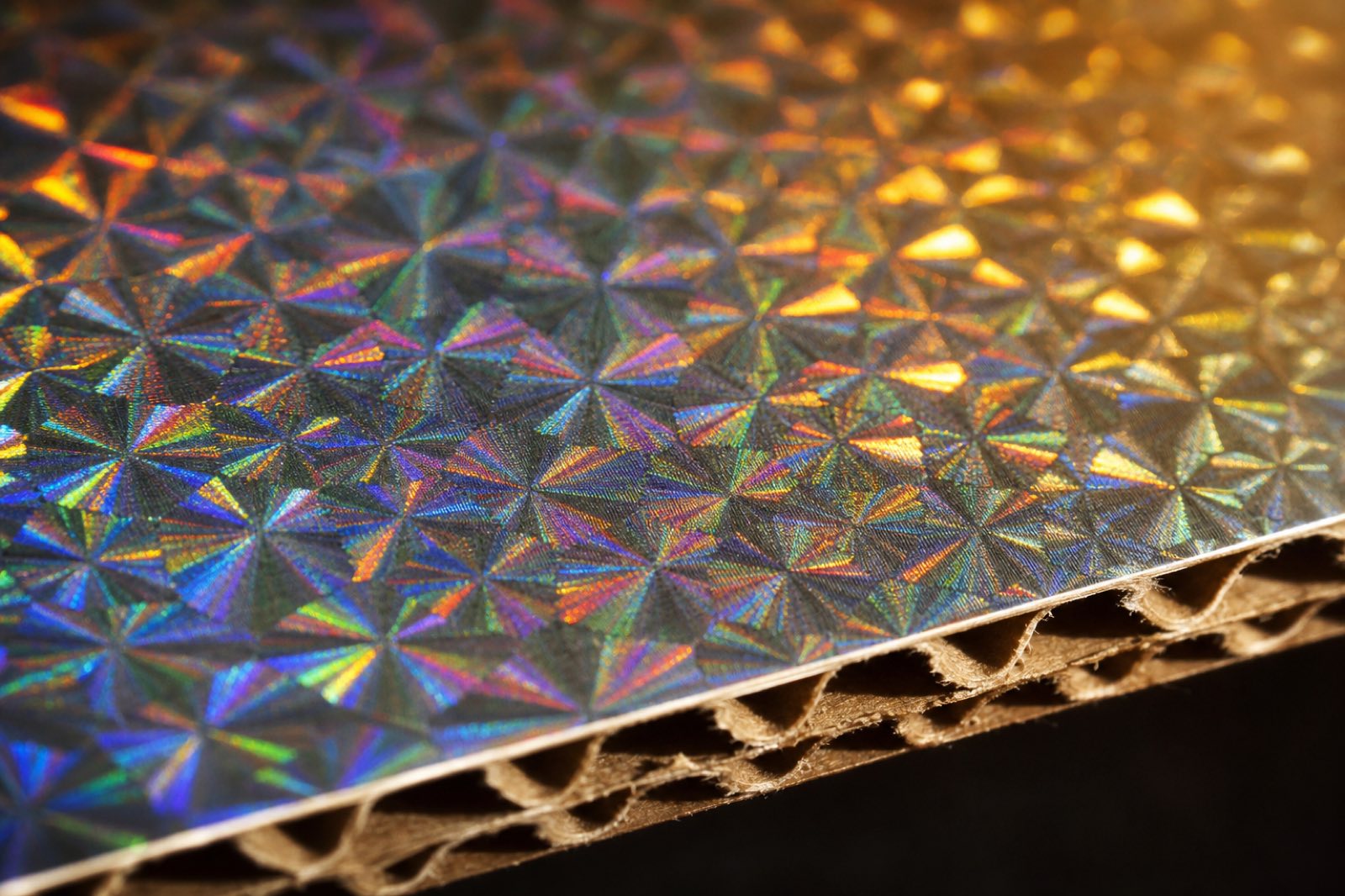
Building on the same metallized silver base, a laser-etched holographic microstructure is added, diffracting light into shifting rainbow patterns as the pack is tilted or moves under store lighting. The full-surface holographic effect creates strong shelf standout and is frequently layered with print to build a multi-level anti-counterfeit background that is difficult to replicate.
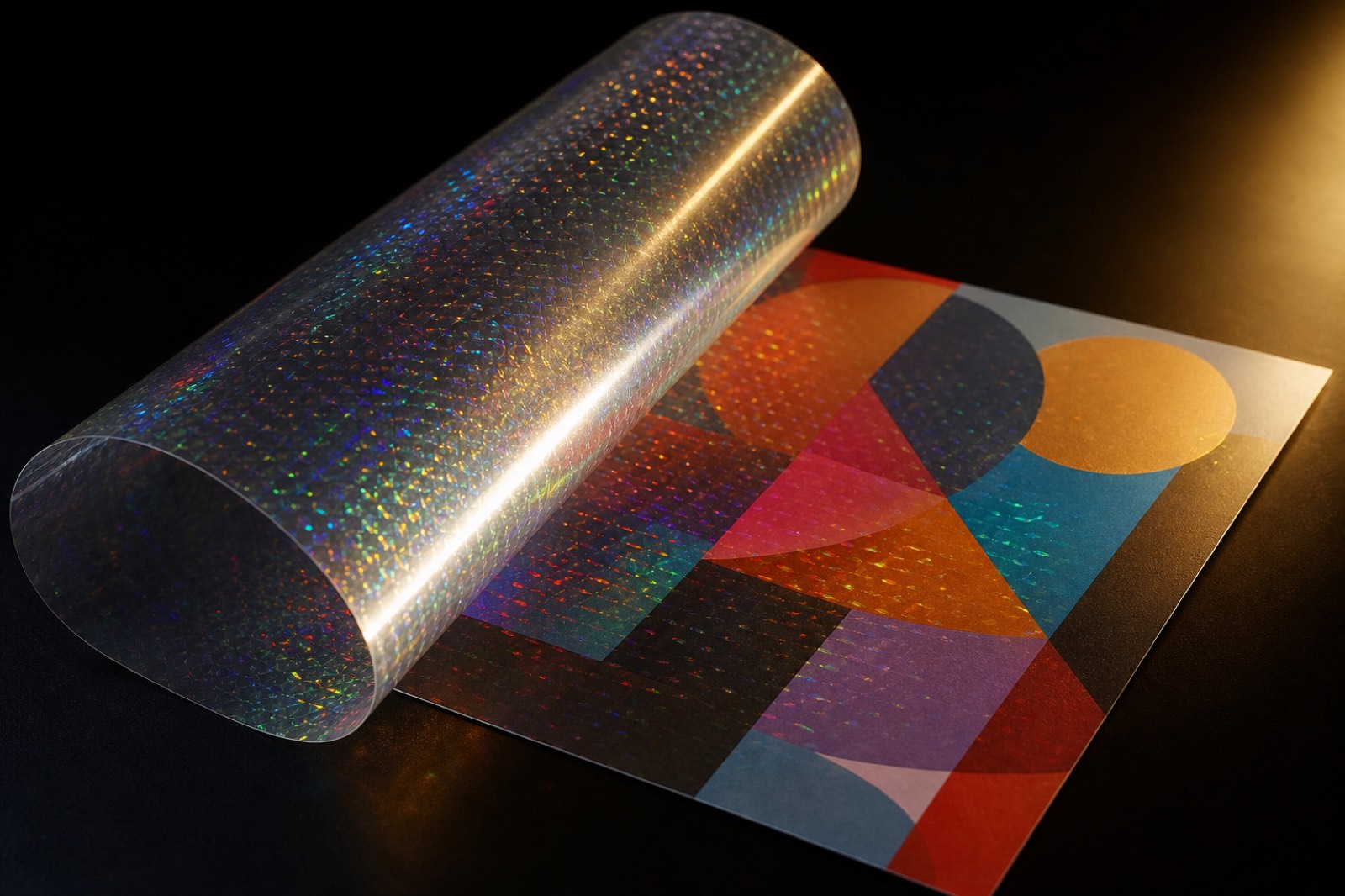
Transparent Holographic
This variant uses the same holographic diffraction structure but omits the metallized silver base, so the printed artwork or substrate color underneath remains fully visible through the film. It is typically laminated over an already-printed sheet, adding a holographic sparkle as an overt security feature or design accent while preserving the original brand colors beneath it.
Film Structure
Transfer film is built as a compact four-layer laminate on a roll: a PET carrier film supports a release coating and the decorative effect layer, finished with a heat-activated adhesive on the contact side. Heat and pressure bond the adhesive — and everything layered above it — to the substrate; the release coating then lets the PET carrier lift cleanly away, leaving only the effect layer fused to the paperboard.
How Transfer Film Is Applied
In production, the pre-coated roll unwinds into a heated nip where the adhesive bonds the effect layer to the printed paperboard. As the laminate cools, the PET carrier peels cleanly away — release layer intact — leaving only the effect layer fused edge-to-edge on the substrate. The animation below plays on a slow, continuous loop; if your system has reduced motion enabled, it displays as a single static frame.
Transfer Film vs Cold Foil vs Hot Stamping Foil
Transfer film, cold foil and hot stamping foil all transfer a thin effect layer from a carrier film, but they differ in coverage area and how they fit into the production line:
| Process | Transfer Film | Cold Foil | Hot Stamping Foil |
|---|---|---|---|
| Coverage | Full-surface, edge-to-edge | Selective, printed pattern | Selective, die-cut pattern |
| Application stage | Laminated post-print; carrier peeled after bonding | Inline on press, UV adhesive cured | Post-print, heated die and pressure |
| Typical equipment | Laminator | Flexo / offset press with cold foil unit | Hot stamping press with metal die |
| Best for | Full-coverage mirror or holographic backgrounds, anti-counterfeit layers | High-speed selective metallic patterns on labels and cartons | Fine-detail selective metallic, pearlescent or holographic patterns with optional tactile emboss |
For a deeper look at selective foiling, see Hot Foil vs Cold Foil: Complete Guide 2026. Transfer film effects can also be applied on top of hot-stamped or cold-foiled areas for layered, harder-to-copy security designs.
Applications
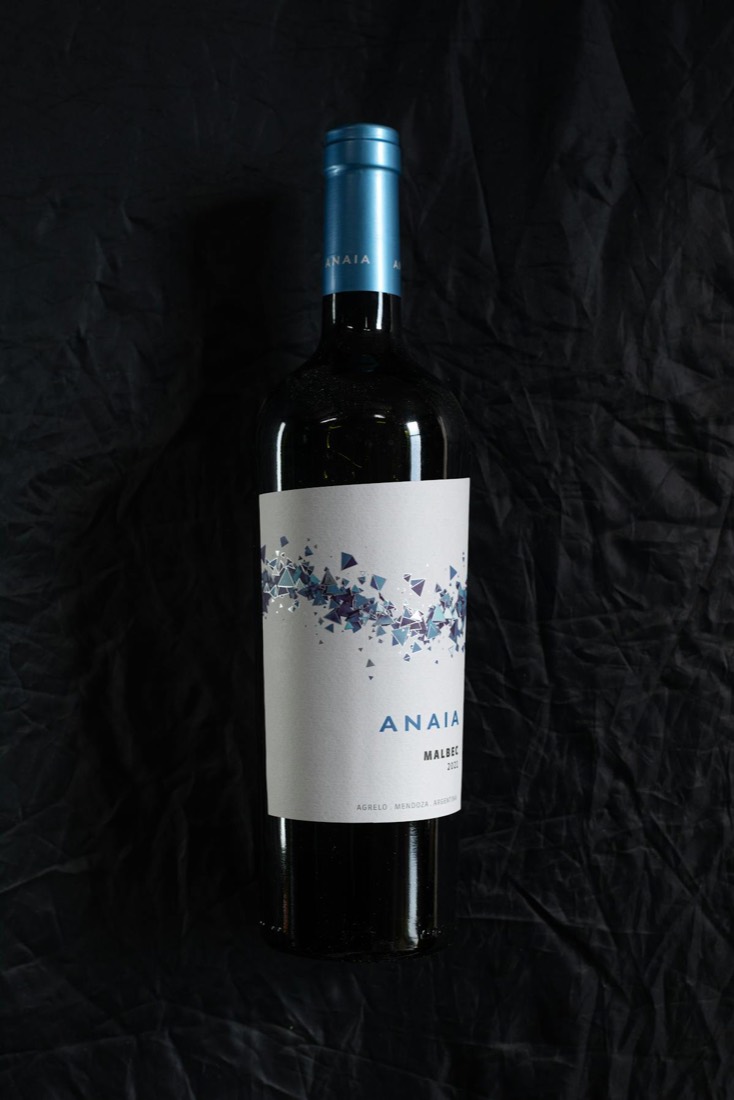
Because it covers the full surface rather than a selective pattern, transfer film is chosen when a brand wants a consistent, all-over metallic or holographic background — not just accents — or when a security feature needs to run edge-to-edge across a carton so it cannot simply be cut around. These four sectors account for most of Lihyang's transfer film volume:
Technical specifications
| Item | SMHT series — aluminium metallized transfer film |
|---|---|
| Base film | PET carrier (peeled off after transfer) |
| Thickness | 15 µm GB/T 6672-2001 |
| Density | 1.396 g/cm³ GB/T 1033.1-2008 |
| Tensile strength MD / TD | ≥170 MPa ASTM D882 |
| Elongation at break MD / TD | ≤200 % ASTM D882 |
| Surface tension | Metallized side ≥52 mN/m · reverse side ≥48 mN/m GB/T 14216-2008 |
| Aluminium layer adhesion | >1.5 N/15mm |
| OTR 23°C, 0% RH | ≤2.0 cc/m²·day ASTM D-3985 |
| WVTR 38°C, 100% RH | ≤2.0 g/m²·day ASTM F-1249 |
| Width / core / MOQ | Contact us |
| Certification | Contact us |
A second grade, Cast & Cure C2 cold transfer film, is available for UV cast-and-cure decoration: BOPP carrier 22 µm ±2 µm, width 1020 mm ±2 mm, reusable carrier.
Exact thickness, width, core size and certification vary by effect variant and order specification. Please contact our team with your application details for a full technical data sheet.
Related Products
Cold Foil — Selective Inline Metallic Effects
Product HubHot Stamping Foil — Selective Die-Cut Effects
Custom pattern development: Need a custom holographic pattern or a specific mirror finish for an anti-counterfeit program? Our R&D team can develop matched formulations — share your reference design or Pantone swatch with our sample request.
Effect Series Overview
| Series | Characteristics |
|---|---|
| Mirror / Metallized Silver | Vacuum metallizing (aluminum) layer, solid uniform mirror silver, full-coverage premium metallic background, no selective pattern required |
| Holographic Silver | Metallized silver base + laser-etched holographic microstructure, light-diffracted rainbow pattern, enhanced shelf appeal and anti-counterfeiting layers |
| Clear Holographic | Holographic diffraction structure without metallic base, printed pattern and background visible through, commonly used as visible anti-counterfeiting feature or design accent |
Need transfer film samples?
Lihyang has supplied packaging converters in 60+ countries with proprietary metallic and holographic film formulations since 1980. Request your free samples of mirror, holographic or transparent holographic transfer film today.