

Release Film
Silicone / Matte / Non-Silicone Range
Roll stock coated with a release agent, with peel force tuned precisely to the application. A temporary carrier for protective-film lamination, tape coating, electronics die-cutting and medical dressing lines. Seven grades cover the full 1-900 g release force span, with slitting and cutting to your spec.
- Release force
- 1-900 g/inch
- Thickness
- 6-350 µm
- Base films
- PET · APET · PE · PVC · OPP · PLA
- Test methods
- TESA 7475 · NITTO 31B
- Quality system
- ISO 9001 · SGS
What is release film? Not the same as a foil's release layer
Release film is roll stock made by coating a base film - PET, APET, PE and similar - with a release agent, most often silicone. Peel force is controlled precisely through the formulation and coat weight, so the adhesive, coating or process material carried on top separates cleanly at exactly the force the line was designed for. It is a finished product in its own right, bought and shipped on its own.
This is a different thing from the "release layer" inside a hot stamping foil. That release layer is one coated formulation within the foil's five-layer structure - not a standalone product and not something you can buy separately. See the 5-layer foil architecture for how it works inside a foil.

Release force bands and test methods
Release force is the single most important selection criterion, and the industry usually describes it in five bands from ultra-light (UL) to extra-heavy (XH):
Note: these bands are a reference for discussion. The formal band code and values are confirmed on the quotation according to specification and order volume.
Release force is measured with TESA® 7475 standard test tape; subsequent adhesion after peeling is measured to NITTO® 31B, with a target retention of roughly 85-90% (ask us for the full TDS for measured data).
How release film works - the label die-cutting line

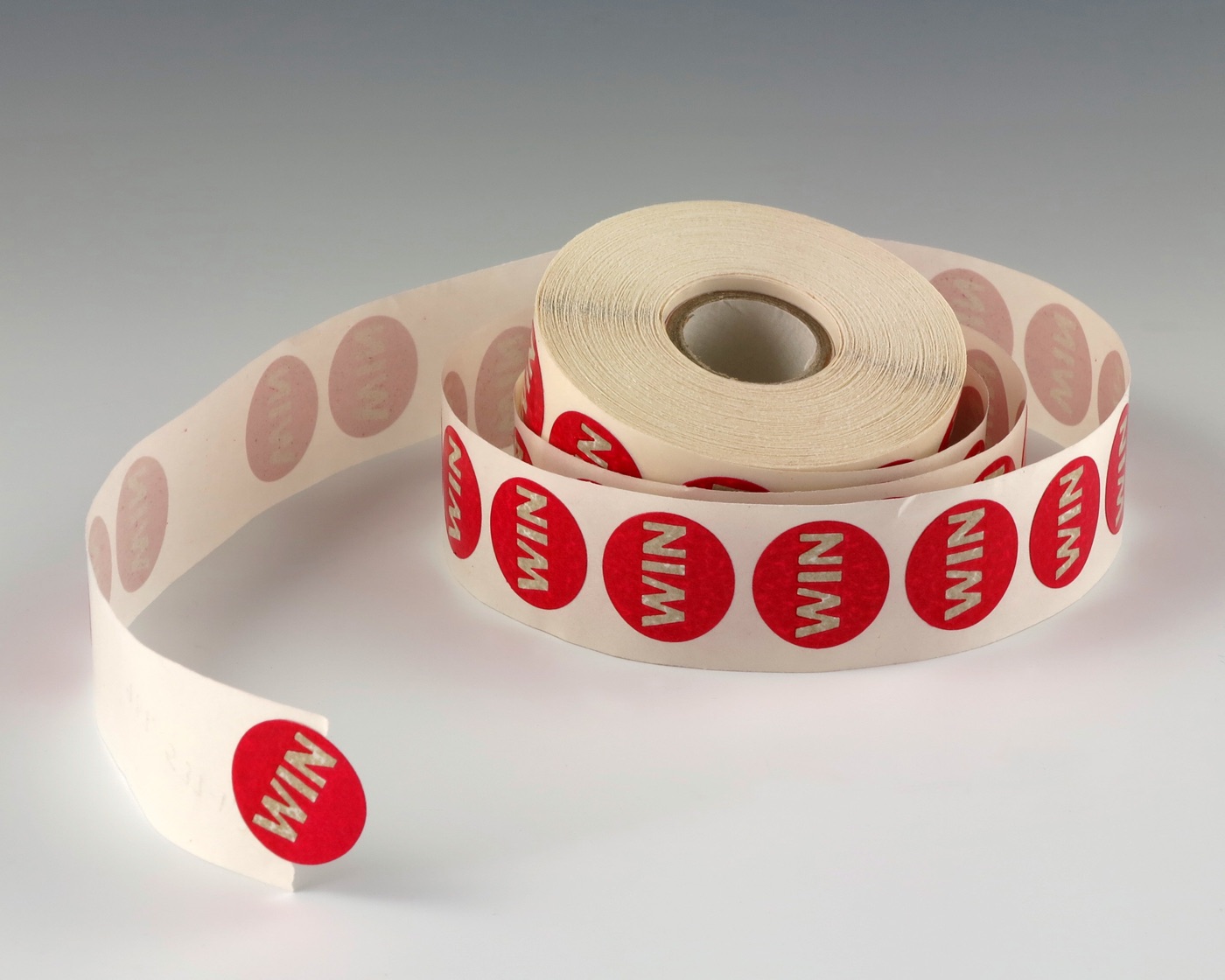
In label and die-cutting processes the release film (or release paper) acts as the carrier: the adhesive product rides on the release surface through printing and die-cutting, and at the tip of the peel plate on the applicator the label separates cleanly at the designed release force while the liner carries on to the rewind.
Set the release force too heavy and the label will not come off; too light and it falls off mid-line. Choosing the right band - UL through XH - is exactly what defines that working window.
Product range spec sheet, LY-RF-01 to LY-RF-07
Thickness and release force below are the catalogue coverage; the specification for each roll is confirmed on the quotation. For full physical data (tensile strength, elongation at break, thermal shrinkage, haze) please ask us for the TDS.
| Code | Product | Thickness | Release force | Band | Key applications |
|---|---|---|---|---|---|
| LY-RF-01 | Silicone Release FilmPET base · flagship grade | 6-250 µm | 1-400 g | UL·L·M·H | Protective film, tape coating, electronics die-cutting, medical dressings |
| LY-RF-02 | Matte Release Filmmatte, low-gloss surface | 25-350 µm | 1-700 g | UL-XH | Silicone foam, PCB press lamination, inkjet signage media |
| LY-RF-03 | Non-Silicone Release Filmno silicone-transfer concern | 6-250 µm | 300-900 g | H·XH | Silicone adhesive tapes, specialty die-cutting |
| LY-RF-04 | Solvent-Free Silicone Release Filmfor ultra-light release | 25-250 µm | 1-5 g | UL | Tape coating, electronics die-cutting, decorative materials |
| LY-RF-05 | Antistatic Release Filmantistatic layer composite | 6-250 µm | 1-700 g | UL-XH | PCB press lamination, electronics die-cutting |
| LY-RF-06 | APET Thermoformable Release Filmvacuum-formable | 175-250 µm | 1-700 g | UL-XH | Li-battery insulation, thermoforming, die-cutting |
| LY-RF-07 | Mesh (Air-Egress) Release Filmembossed air-release structure | to spec | custom | custom | Tapes, bubble-free lamination of composite materials |
Applications
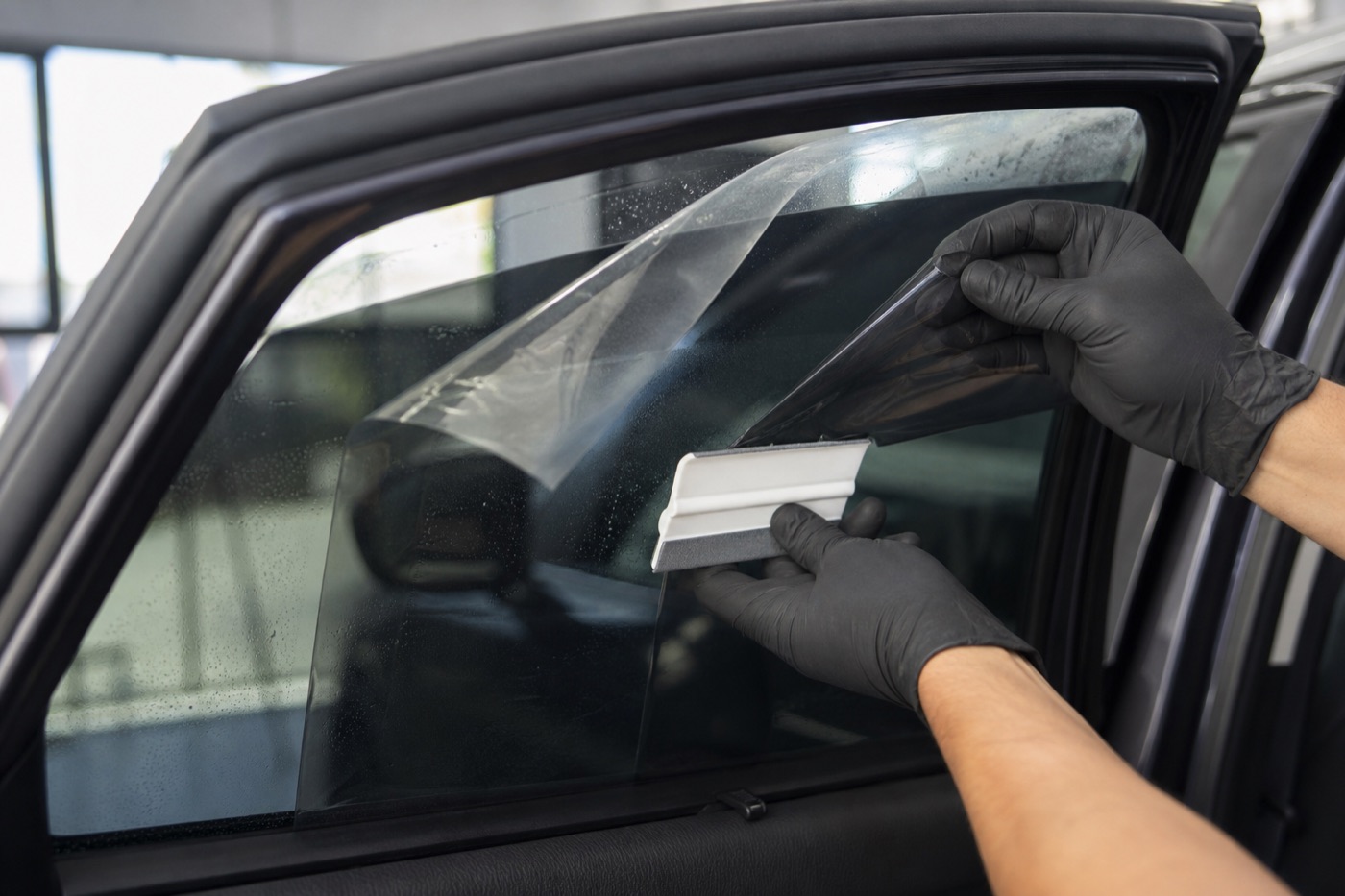
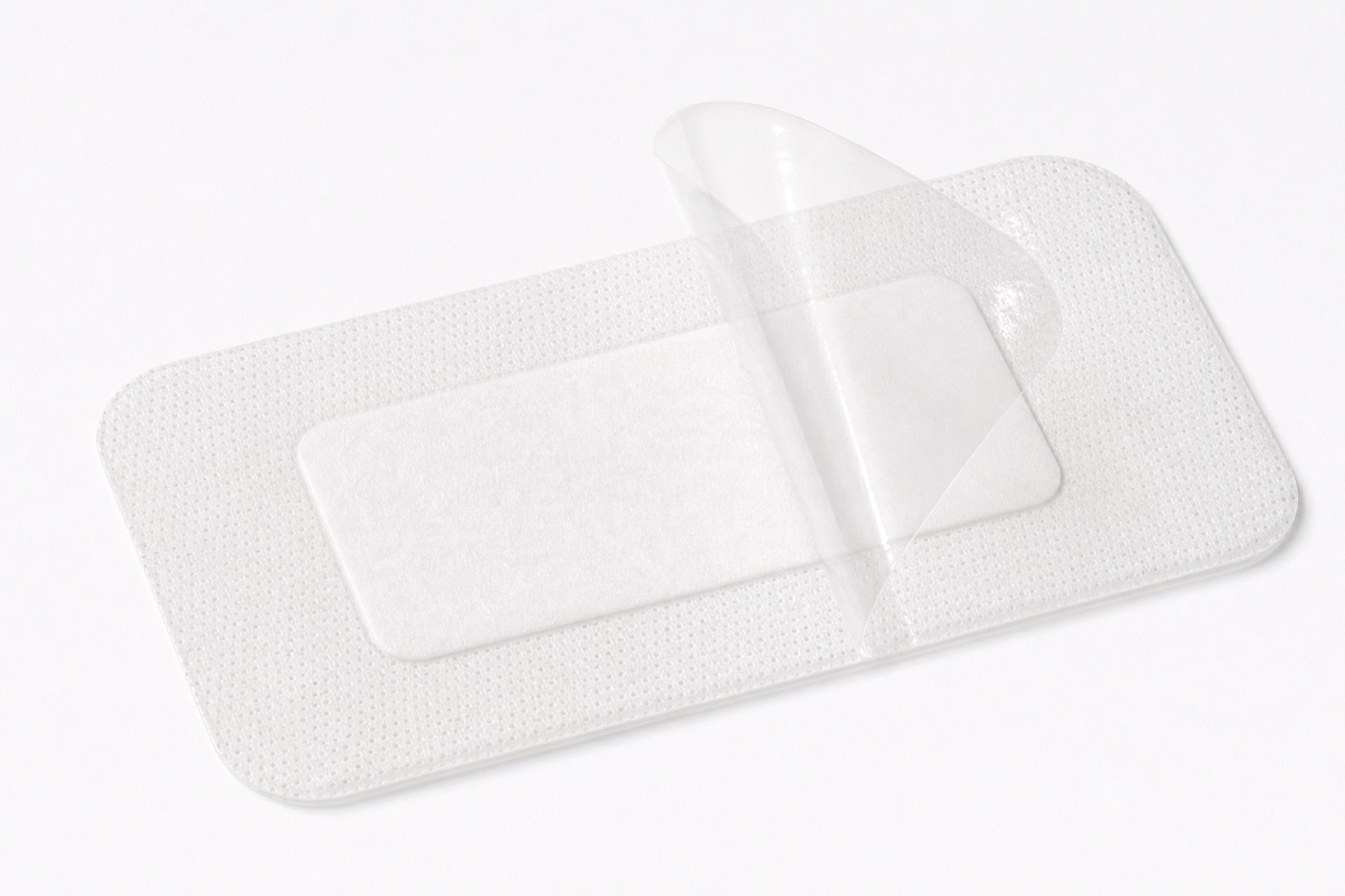
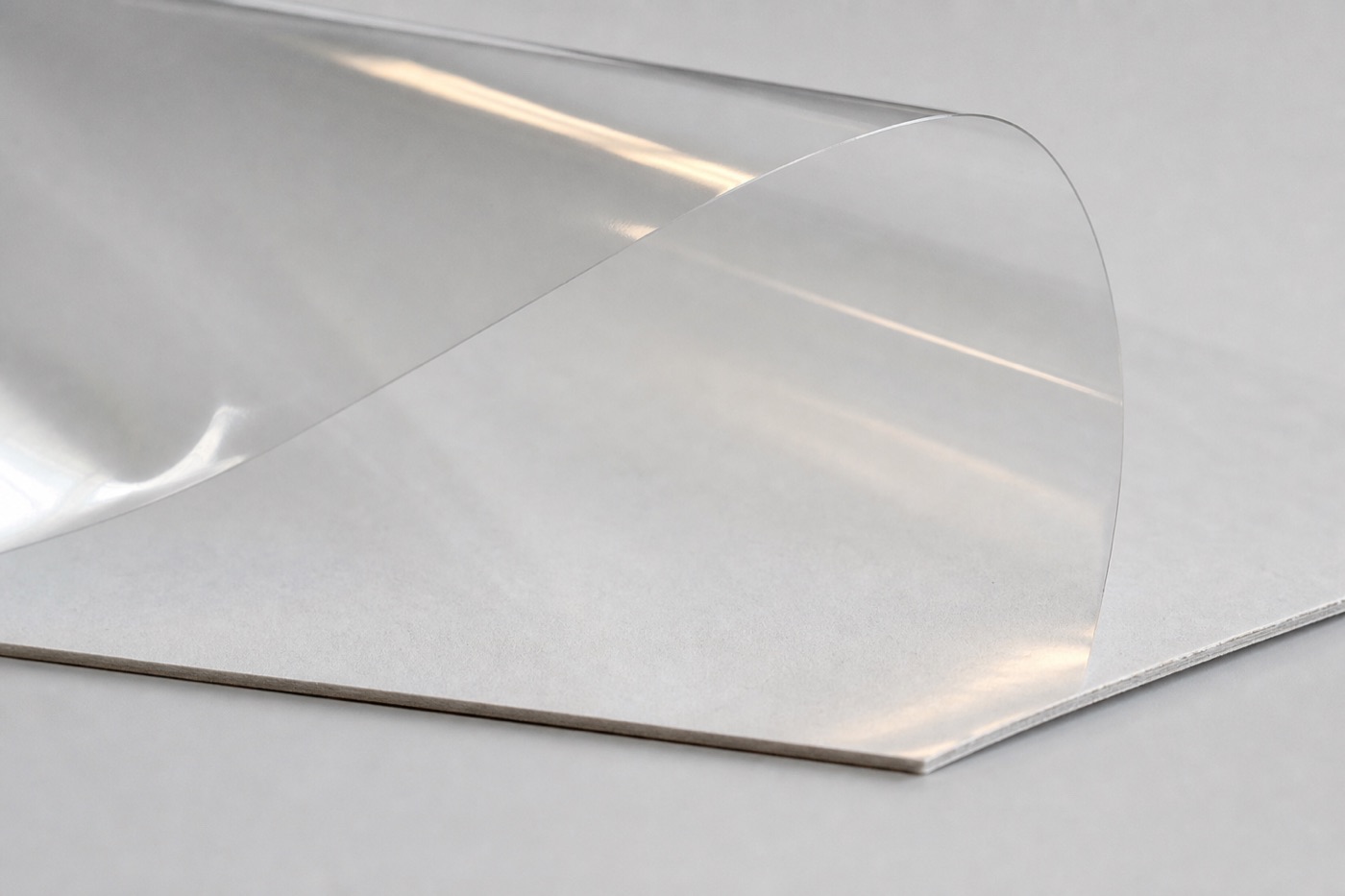
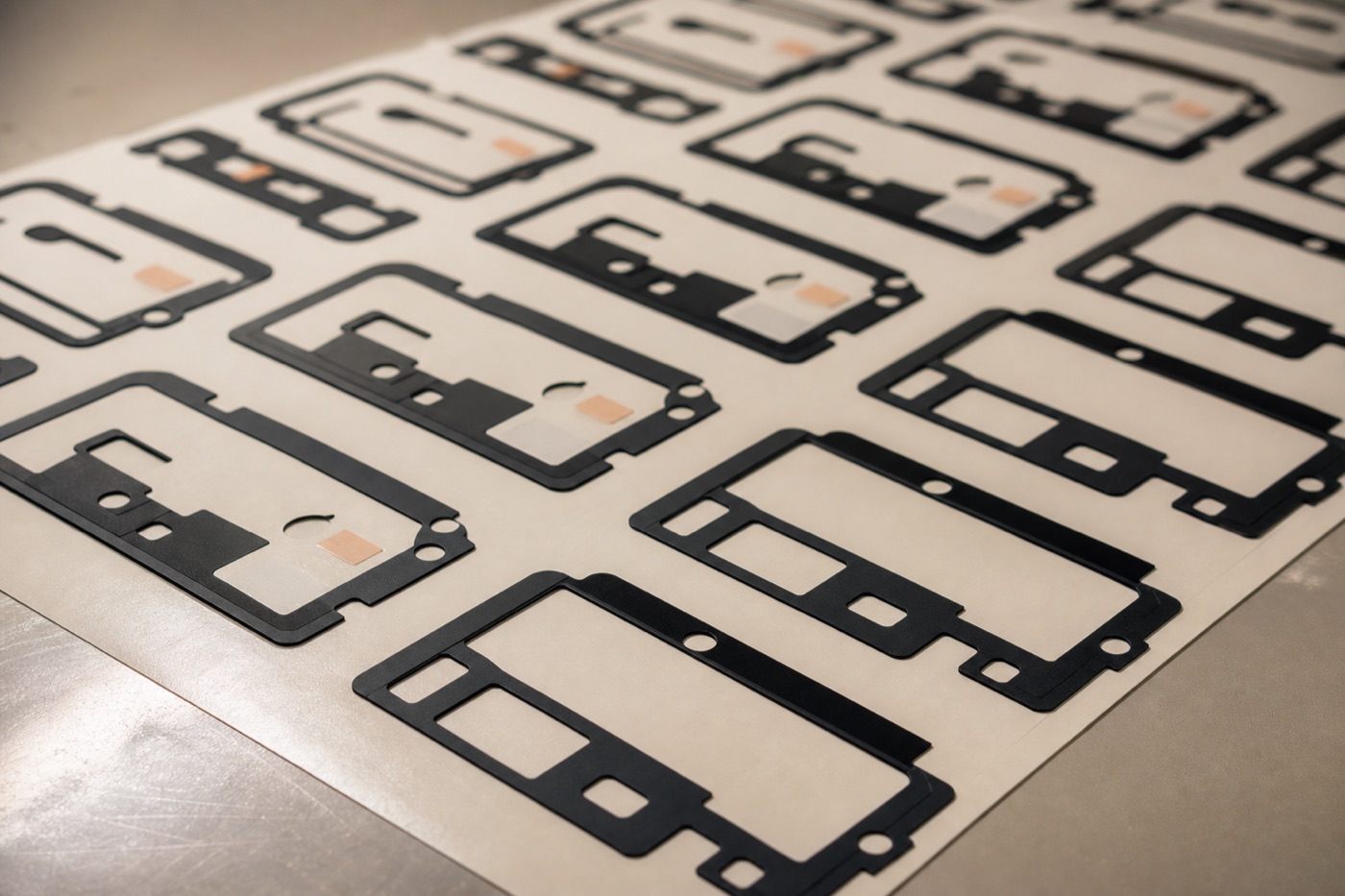
Release film vs release paper vs a foil's release layer
| Property | Release film (this page) | Release paper | Release layer in hot stamping foil |
|---|---|---|---|
| What it is | Finished roll stock: plastic base film plus release coating | Finished roll stock: paper base plus release coating | One coated formulation inside the foil's five-layer structure |
| Sold separately? | Yes (LY-RF series) | Yes (LY-RP series) | No - not a standalone product |
| Typical use | Protective film lamination, tapes, electronics die-cutting, thermoforming | Label liners, synthetic-leather transfer coating | Lets the decorative layer transfer off the carrier |
| Selection criteria | Release force band, base film, thickness | Base paper type, basis weight, single or double-sided silicone | Designed into each foil formulation - nothing to select |
Supply chain and quality control: Lihyang release film is produced within a carefully vetted volume-production system operating an ISO 9001 quality management system, with SGS third-party test reports held for key specifications. Slitting, rewinding and cutting are available as custom conversion, we accommodate small and mid-sized batches and fast sampling, and retained samples are filed by lot number before shipment for traceability.
Related products
Frequently asked questions
What do the release force bands (UL/L/M/H/XH) mean?
UL ultra-light (1-10 g), L light (10-50 g), M medium (50-200 g), H heavy (200-500 g) and XH extra-heavy (500 g+) are reference bands for discussion; the formal band code is confirmed at quotation.
Is release film the same as a foil's release layer?
No. The latter is a formulation inside the foil's five-layer structure and is not a standalone product; the release film on this page is finished roll stock you can buy on its own.
Can release force, color or web width be customized?
Yes. Send us your application and specification and we will confirm lead time and pricing.
Is there a minimum order quantity (MOQ)?
MOQ depends on specification, base film and release force band, and stock items differ from custom-made items. Please contact our sales team.
How do I choose between release film and release paper?
Choose release film (plastic base) when you need transparency, high strength or thermoforming; choose release paper (glassine, PE-coated or clay-coated) for paper-based processes such as label liners and synthetic-leather transfer coating.
Need release film samples?
Tell us your application, base film requirement and release force range, and Lihyang will help you confirm the right specification, lead time and pricing - free samples available.