Hot Stamping Foil · Automotive Chrome

Chrome Trim for Automotive
Electroplating-Free Chrome Decoration

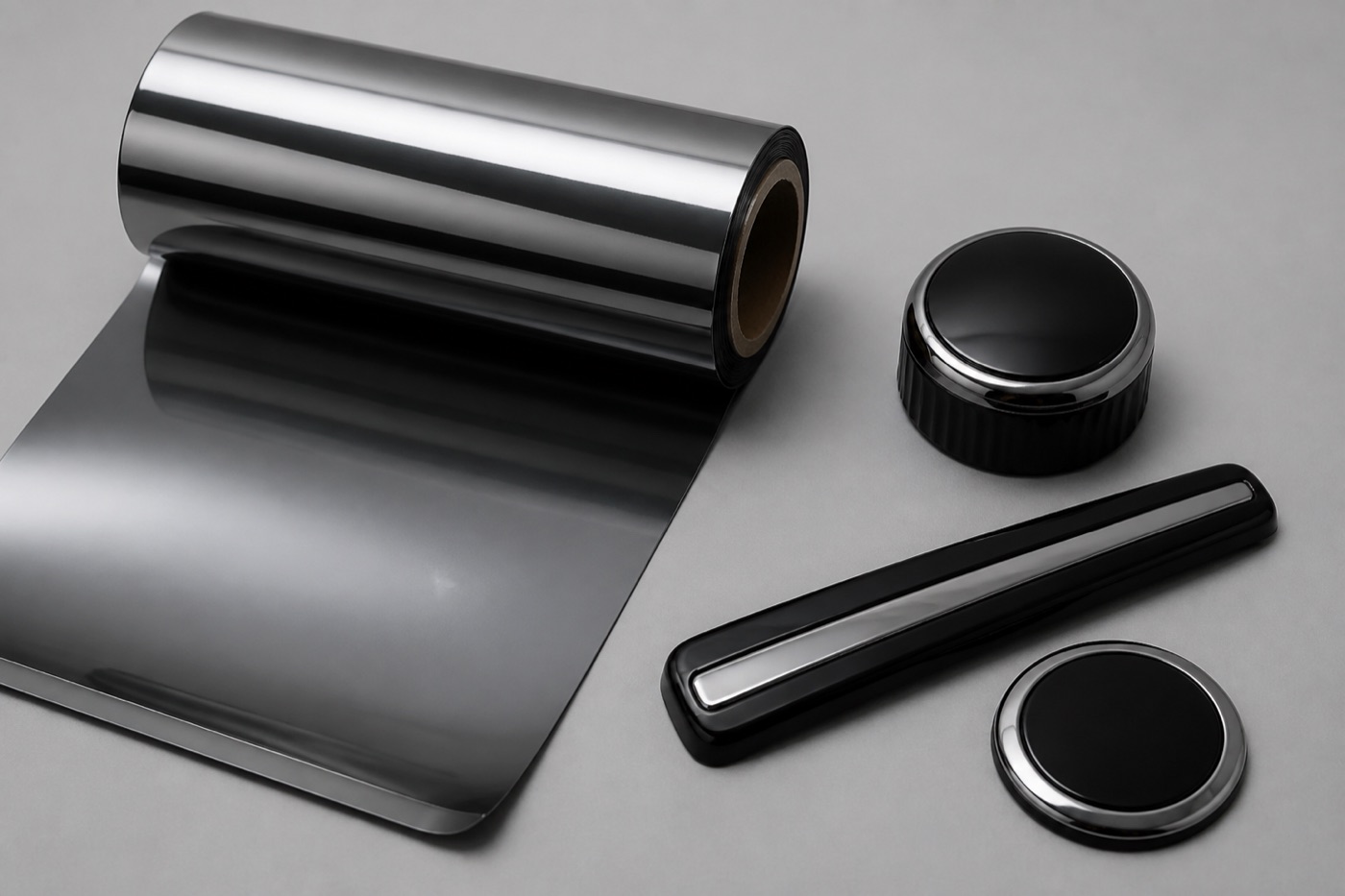
Chrome trim has long been a key language for automotive interior and exterior perceived quality, but hexavalent-chrome electroplating now faces a double squeeze from EU REACH (expected late 2027 to early 2028) and California CARB's phase-out timeline. AQUALUX's chrome foil replaces the aluminum layer with vacuum-deposited metallic chromium — non-oxidizing and inherently corrosion-resistant — letting you adopt electroplating-free chrome decoration for button rings, trim strips, emblems and front grille trim on equipment you already run.

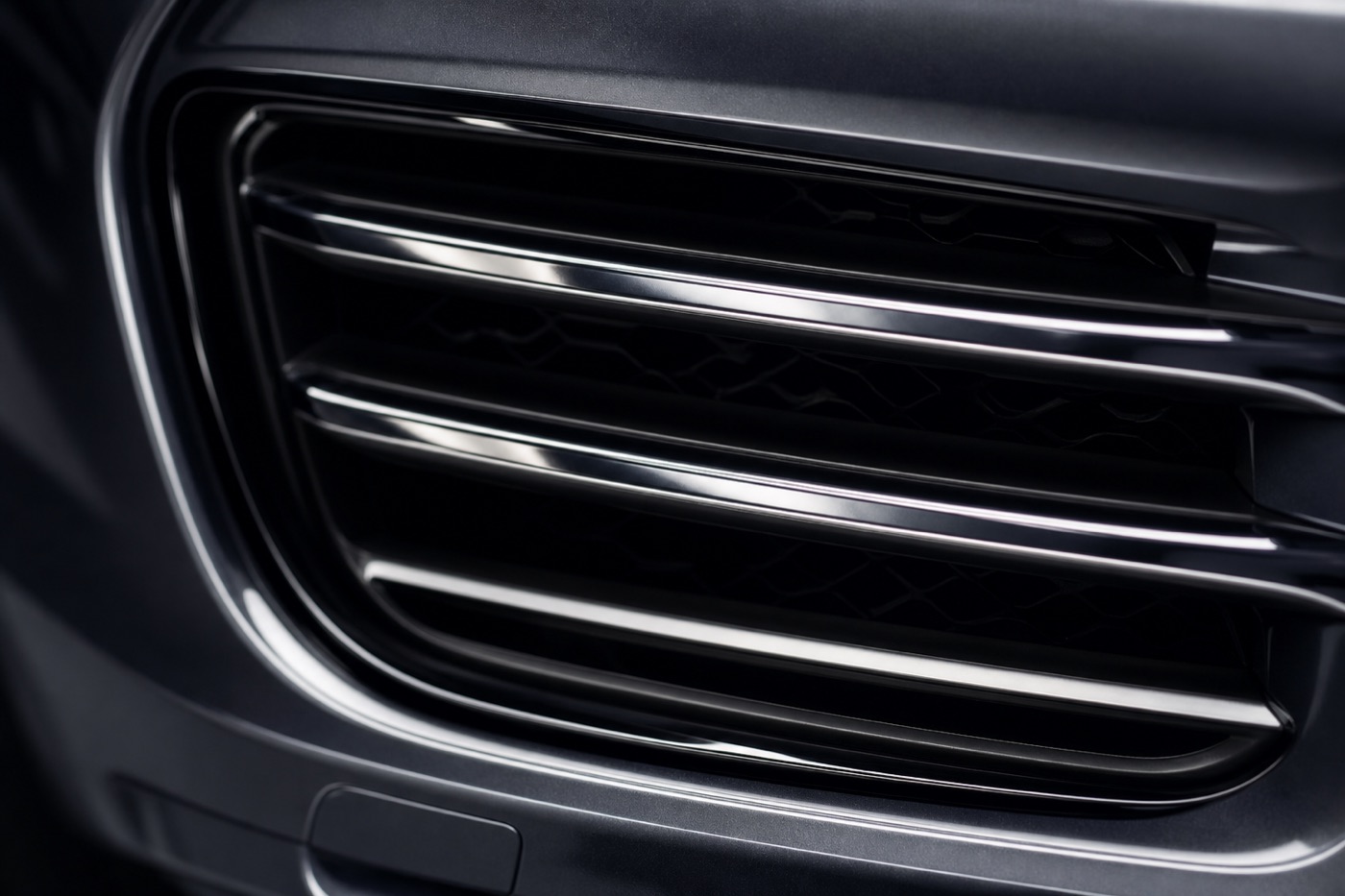
Chrome foil applied to an automotive front grille trim strip, mirror chrome finish
Front grille trim (illustrative)
Level 3
Automotive weathering tier
Flat–2.5D
Part geometry
0
Electroplating wastewater (dry process)
2027–28
REACH / CARB (expected)
01

Why the automotive industry needs electroplating-free chrome

Chrome trim has always been a key way to signal perceived quality and brand language across automotive interiors and exteriors, but electroplated chrome now sits inside a structural regulatory phase-out window: the EU REACH restriction on chromium trioxide is expected to take full effect late 2027 to early 2028, and California's CARB has also set a phase-out timeline for decorative chrome plating.

For interior and exterior parts that still need a "chrome" appearance, electroplating-free solutions are entering a genuine adoption-evaluation window — and for converters that already run a hot stamping line, this is a low-equipment-threshold, selectively-applicable alternative path.
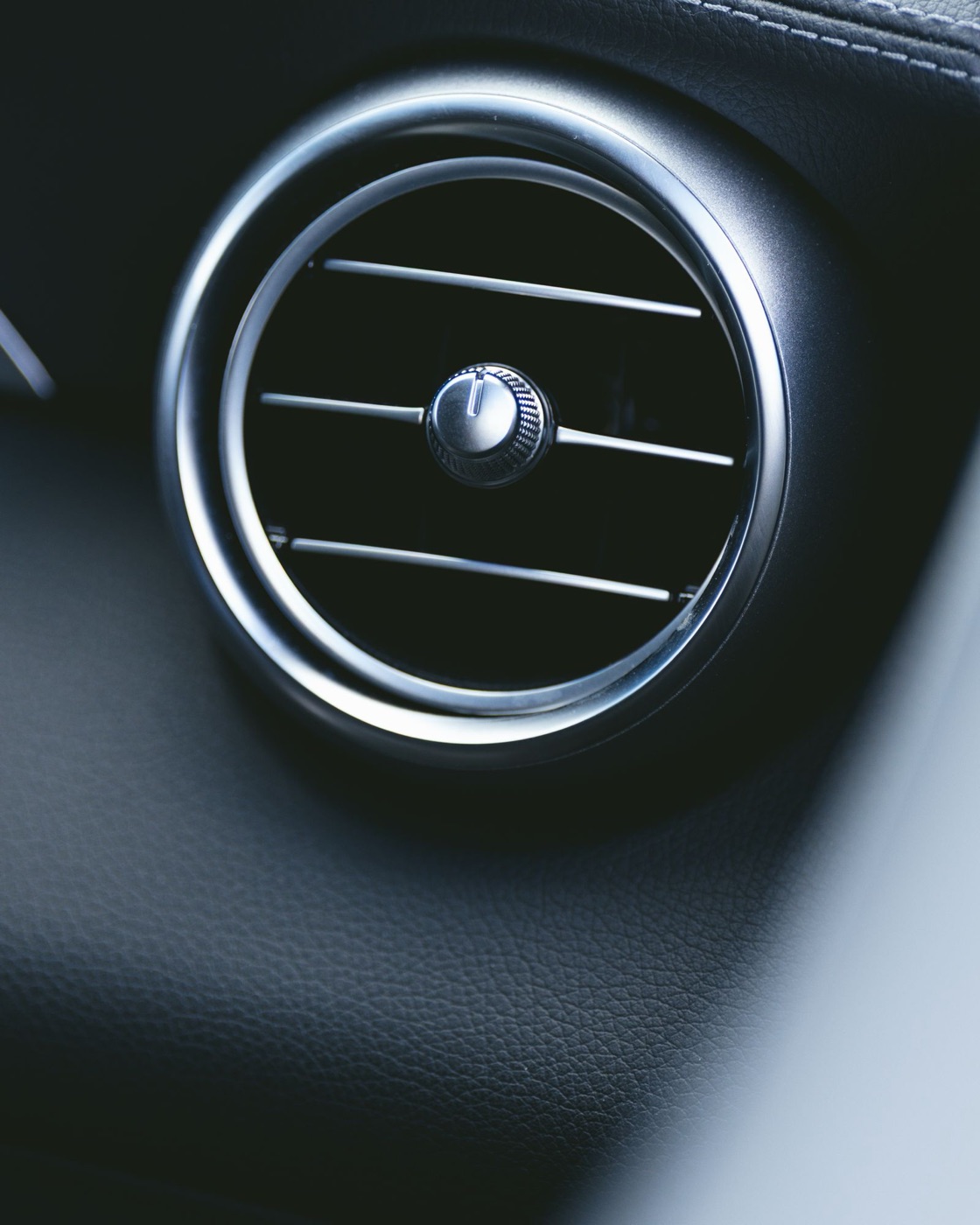
Automotive interior air vent with a double chrome trim ring and a knurled knob
Interior chrome trim: air vent · knob (real photo) — see the chrome foil main page for the full six-layer structure.
02

Suited part types and validation tiers

ComponentTypical GeometryStamping MethodAdoption Notes
Interior Button RingsFlat to 2.5D knob/button ringsSilicone-die / peripheral stampingSuited to direct evaluation, weathering tier Level 3
Interior Trim StripsLong or contoured trim stripsRoller or silicone-die stampingSuited to direct evaluation, weathering tier Level 3
Emblems / BadgesFlat nameplate-type partsFlat-bed stampingWeathering tier selected by exposure level
Exterior TrimFront grille, exterior trim exposed to sun and saltPer part geometryRequires OEM specification validation (xenon-arc SAE J2527, salt spray, damp-heat cycling) before adoption
For deep 3D contours, evaluate alternative processes such as IMD instead — confirm part geometry at the selection stage. Dark chrome, satin chrome and bright chrome tones are all available.
03

Why electroplating-free — three processes compared

Legacy ProcessPain PointHow Chrome Foil Responds
Hexavalent Chrome ElectroplatingREACH/CARB compliance deadlines approaching; high wastewater treatment costNo hexavalent chromium and no electroplating wastewater anywhere in the process
PVD / NCVMHigh capital equipment cost; deep recesses can't be coated; batch-mode throughputStamping equipment investment an order of magnitude lower; free choice of localized decoration; fast continuous cadence
Stainless Steel / Die-Cast PartsWeight, cost and forming freedom constraintsPlastic parts stay lightweight with full design freedom, while reaching a metal-like appearance
04

Three selection questions before adoption

Q1 · Geometry

Flat to 2.5D, or deep 3D?

Button rings, trim strips, emblems and panel bezels can go straight to a stamping evaluation; for deep 3D contours, evaluate alternative processes such as IMD instead.

Q2 · Substrate

What is the plastic material?

ABS, PC and PC+ABS are the primary compatible substrates; low-surface-energy materials such as PP require a matched adhesion layer or corona/flame treatment.

Q3 · Environment

Interior or exterior?

Interior parts map to Level 3 for direct evaluation; exterior parts require OEM specification validation (xenon-arc, salt spray, damp-heat cycling) before moving to production volume.

05

Applications and design trends

Interior Button RingsInterior Trim StripsEmblems & BadgesFront Grille TrimDark / Satin Chrome Trim

Automotive design trends show rising demand for dark and satin chrome alongside traditional bright chrome. Our technical team can help confirm weathering tier and stamping parameters based on your part geometry, substrate and end-use environment; interior parts can be validated with a sample card first, and for exterior parts we can help you map to your OEM validation specification.

06

Frequently asked questions

Is chrome foil suited to automotive parts?

Interior button rings, trim strips and emblems with flat to 2.5D geometry are suited to direct evaluation. Exterior parts are exposed to harsher sun, temperature/humidity and stone-chip conditions, so we recommend completing validation against the relevant OEM specification (e.g. xenon-arc SAE J2527, salt spray, damp-heat cycling) before moving to production.

Is this hexavalent chrome electroplating? Is it restricted under REACH or CARB?

No. This product deposits metallic chromium (Cr⁰) by vacuum deposition, a dry physical process that does not use hexavalent chromium chemicals. EU REACH restricts hexavalent chromium substances such as chromium trioxide used in electroplating; California's CARB has also set a phase-out timeline for decorative chrome plating — both target the electroplating process itself, a separate matter from this product's dry chromium film.

Can exterior automotive parts be adopted directly?

For exterior parts we recommend completing validation against the relevant OEM specification first (accelerated weathering, salt spray, damp-heat cycling, etc.) before evaluating production; interior parts see milder exposure conditions, so adoption evaluation is comparatively simpler.

What equipment is needed?

Standard hot stamping equipment is sufficient (flat-bed, silicone-die, roller or peripheral stamping); converters that already run a hot stamping line need no new equipment. We recommend a trial run against the parameter card for first-time adoption.

How does this relate to AQUALUX's main chrome foil product line?

This page is an automotive application guide for chrome foil; see the chrome foil main page for the full six-layer structure, weathering-tier framework and verification details, and our standard hot stamping foil range for general decorative use.

Need samples of chrome foil for automotive trim?

Tell us your part geometry (flat / 2.5D), substrate and interior/exterior requirement, and we'll help confirm the weathering tier and stamping parameters, with a sample card and product data sheet.

Request Free SamplesFull Chrome Foil Specifications

Author: AQUALUX · Established 1980, foil and film supplier
Last updated: 2026-07-31