
Cold Foil for Labels & Narrow-Web Printing
Cold foil for labels is a UV-adhesive-based foiling process that runs inline with Flexo, Offset or Gravure narrow-web presses, transferring a metallic layer onto the substrate without heat or a metal die. Since 1980, Lihyang Foil Technology has supplied label and narrow-web converters in 60+ countries with cold foil formulated for high-speed, low-VOC production across beverage, cosmetic, wine and food label runs.
Why narrow-web label converters use cold foil
Narrow-web label converters run high volumes of repeat SKUs where every second of press downtime and every extra process step adds cost. Cold foil answers this by running inline with the printing press itself: a UV-curable adhesive is printed onto the label stock exactly where the metallic effect is wanted, the cold foil web is laminated onto the wet adhesive, and a UV lamp cures it instantly so the metallic layer releases and bonds only to the printed areas. No separate hot stamping station, no heated die, no extra pass through a second machine — the foiling happens in the same pass as the rest of the label artwork.
Compatible presses for narrow-web cold foil
| Press Type | Cold Foil Compatibility | Typical Narrow-Web Use |
|---|---|---|
| Flexographic Press | Highly Compatible | Roll-fed labels and flexible packaging with an inline cold foil module |
| Offset Press | Highly Compatible | High-resolution, fine-dot labels; integrates with existing UV ink systems |
| Gravure Press | Compatible | Large-volume, high-precision runs with consistent metallic luster |
Cold foil vs hot stamping foil for labels
Cold foil and hot stamping foil solve the same visual problem — a bright metallic effect — through different mechanisms. Cold foil relies on UV-adhesive curing and runs inline at speeds up to roughly 100 m/min, making it the more cost-effective choice for high-volume label and flexible packaging runs with large or simple metallic areas. Hot stamping foil uses a heated die and pressure, and remains the better fit for short runs, fine emboss/deboss detail, or substrates outside typical narrow-web stock. Many label jobs actually specify both: cold foil for broad metallic fields, hot foil for crisp fine-line branding. For the full breakdown, see Hot Foil vs Cold Foil: Complete Guide 2026, or explore our hot stamping foil range.
Adhesive system & UV compatibility
Lihyang's cold foil products are formulated for compatibility with mainstream UV adhesive systems used on narrow-web presses. Low-VOC formulations help converters meet environmental requirements on the shop floor, while consistent UV curing behavior supports stable, repeatable production across long label runs without frequent adhesive re-calibration.
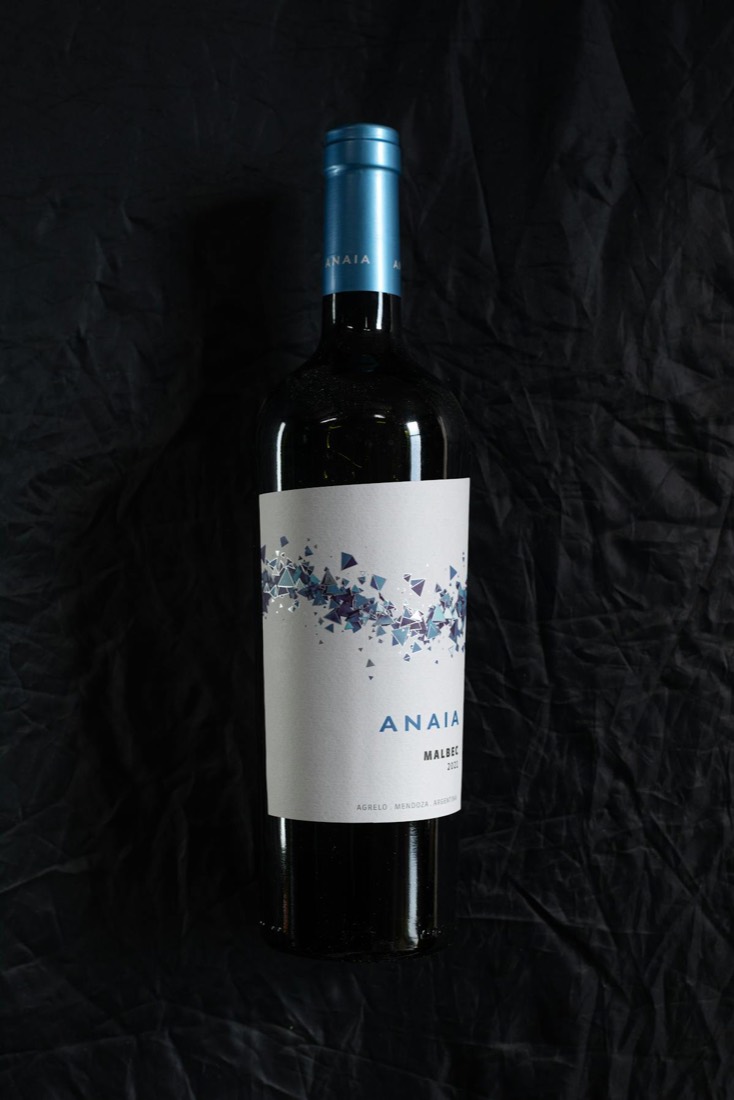
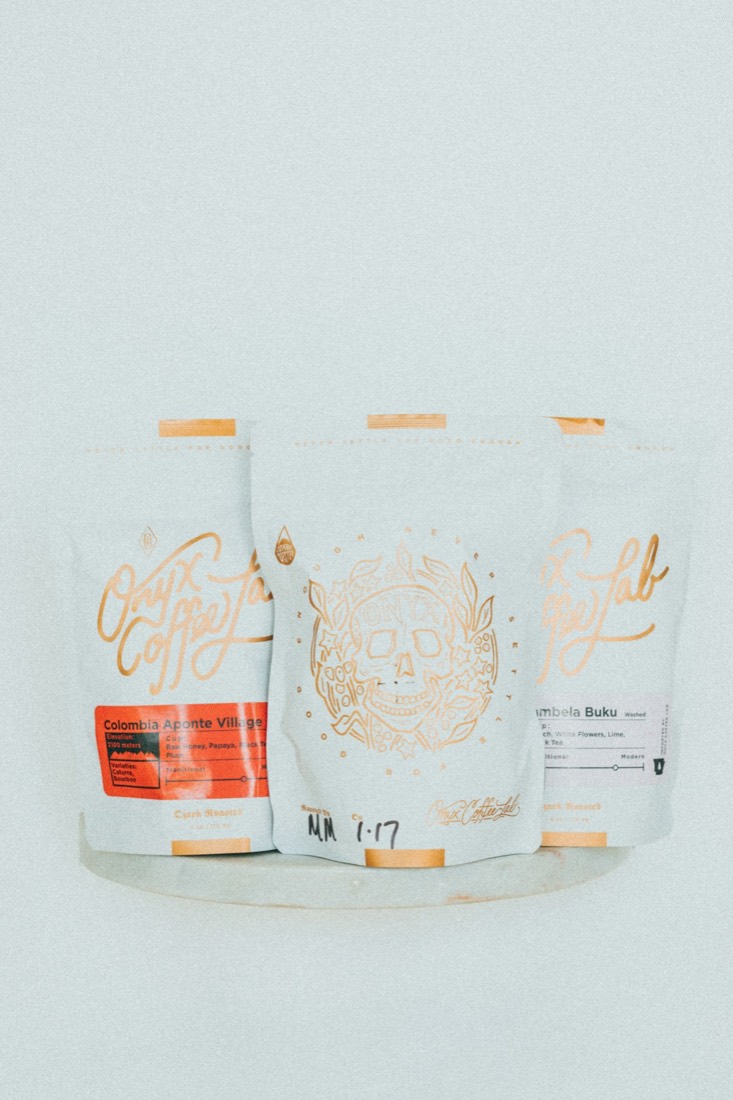
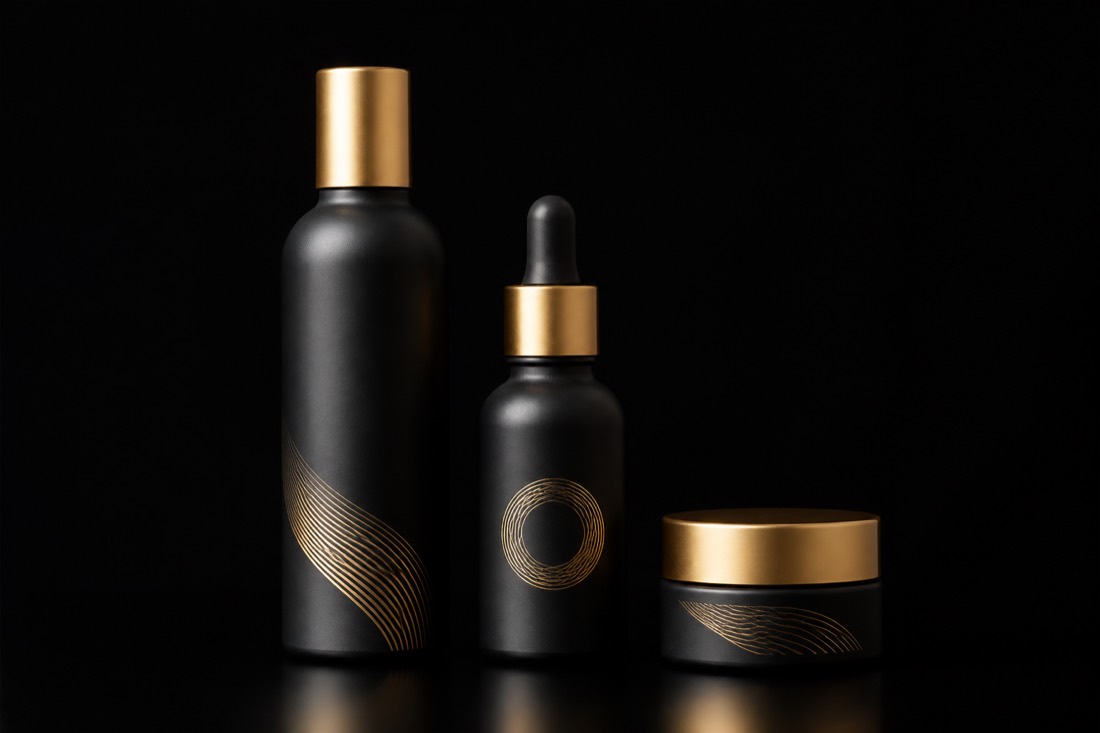
Industries running cold foil labels
Frequently asked questions
What is cold foil and how does it differ from hot stamping foil for label printing?
Cold foil transfers a metallic layer onto a substrate using a UV-curable adhesive applied inline during printing, rather than heat and a metal die. A UV adhesive is printed onto the label stock, the cold foil web is laminated onto it, and a UV lamp cures the adhesive so the metallic layer bonds only where the adhesive was printed. This lets it run inline with the printing press at high speed, unlike hot stamping, which is typically a separate, slower step.
Which printing presses is cold foil compatible with?
Lihyang cold foil is engineered for offset and flexographic presses equipped with a cold foil module, and is also compatible with gravure printing for large-volume, high-precision runs. Offset and flexo are the most common setups for narrow-web label converters.
What line speeds can cold foil run at?
Lihyang cold foil is formulated for inline speeds up to approximately 100 m/min, depending on press configuration, UV curing capacity and the complexity of the foiled design. Fine halftone or highly detailed foiling may require a more moderate speed than solid blocks.
Is cold foil suitable for flexible packaging as well as labels?
Yes. While narrow-web labels are the most common application, the same inline UV-adhesive process is used on flexible packaging films for food, beverage and cosmetic pouches, provided the adhesive system is matched to the film's surface energy. Sampling on your specific film is recommended before a production run.
When should I choose hot foil instead of cold foil for labels?
Cold foil suits high-volume, flat metallic areas run inline with printing. Hot stamping foil remains the better choice for short runs, raised/tactile emboss effects, or very fine detail, and works on a wider range of substrates including leather and textured papers. Many premium labels combine both — cold foil for large metallic fields and hot foil for fine detail or texture. See our full comparison in Hot Foil vs Cold Foil: Complete Guide 2026.
Ready to run cold foil on your next label job?
Request cold foil samples today. Lihyang has supplied label and narrow-web converters in 60+ countries with proprietary formulations since 1980.